





TLDR
- Russia approved a new crypto law regulating exchanges, mining, custody, and digital asset ownership.
- Retail investors face annual purchase limits and must pass a knowledge test before trading crypto.
- Qualified investors can trade without annual limits under Russia’s new digital asset framework.
- Cryptocurrency remains banned for domestic payments despite broader rules for trading and investment.
- The law takes effect on September 1, 2026, with exchange licensing continuing through July 2027.
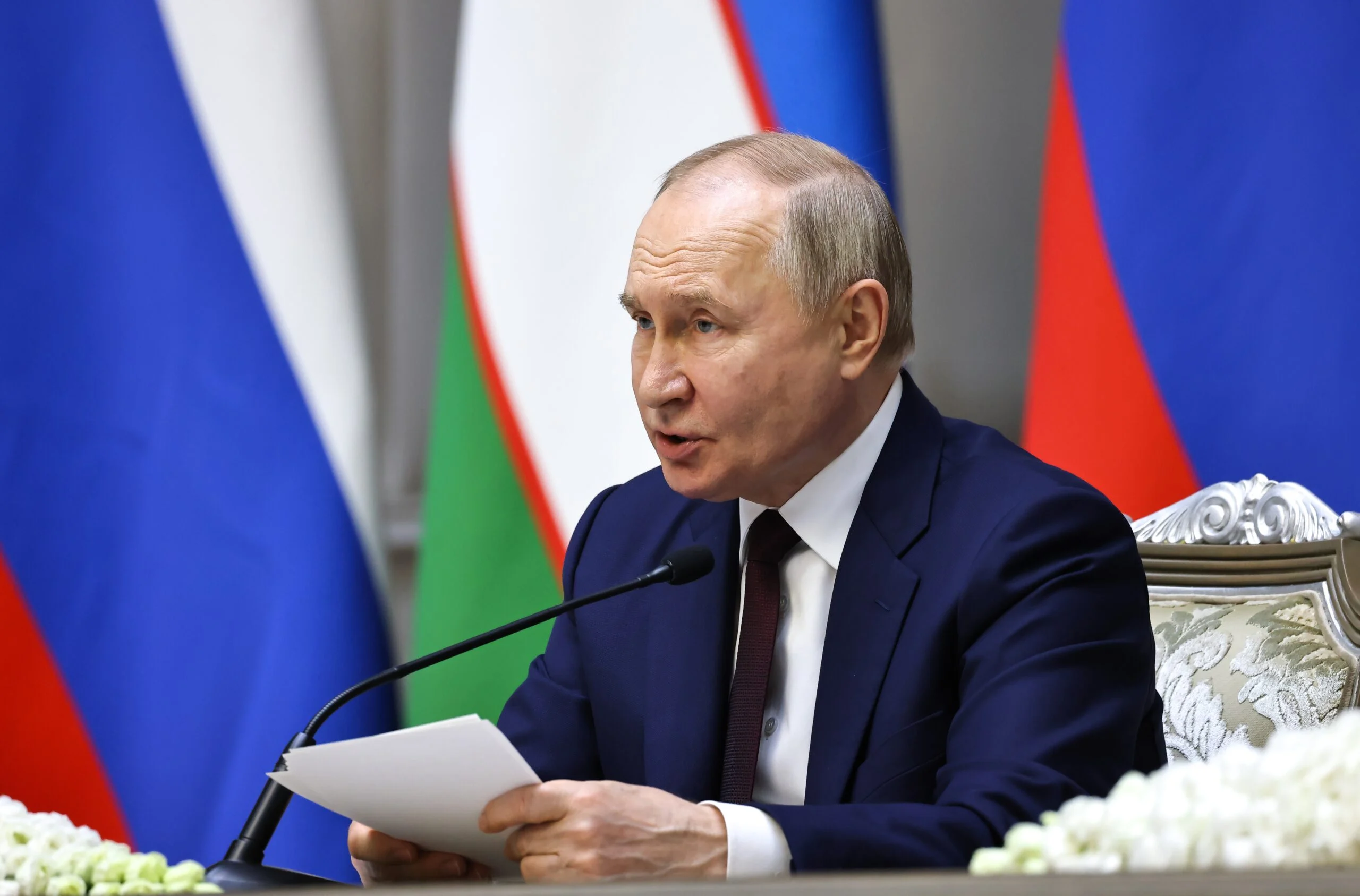
Russia has approved a new legal framework for digital assets after President Vladimir Putin signed legislation regulating cryptocurrency exchanges, digital asset custody, and investor participation. The law creates a licensed crypto market under central bank oversight while keeping the country’s ban on using cryptocurrencies for domestic payments.
New Law Creates Licensed Crypto Market
The new legislation takes effect on September 1, 2026, and introduces Russia’s first comprehensive framework for digital currencies and digital rights. Licensed exchanges, brokers, and digital depositories will operate under the supervision of the Bank of Russia. The law also establishes rules for the organization, accounting, and custody of digital assets.
Crypto service providers must register with the central bank and meet capital requirements before offering services. The transition period for licensing will continue until July 1, 2027. Commercial banks will also monitor transactions and may block transfers involving unauthorized crypto providers under the new rules.
Retail investors will face annual purchase limits of 300,000 rubles, or about $3,800, through each licensed intermediary. They must also complete a knowledge assessment before trading digital assets. Qualified investors who meet regulatory requirements will not face investment limits and may access a broader range of cryptocurrencies.
The framework recognizes cryptocurrency mining as an economic activity. Registered companies may mine without restrictions, while individuals can continue mining only if they remain below government energy consumption limits.
Domestic Payment Ban Remains in Effect
Although Russia has expanded its regulatory framework for digital assets, cryptocurrency cannot be used to pay for goods or services inside the country. The legislation keeps the payment ban introduced in 2022 and also restricts advertising that promotes crypto as a domestic payment method.
Banks are expected to apply additional monitoring measures under the new framework. Wallet transfers may also be subject to a 48-hour cooling-off period in certain cases as authorities strengthen oversight of digital asset transactions.

The law does allow cryptocurrencies to be used in foreign trade settlements and international investment activities. Russian authorities continue developing alternative payment systems for cross-border transactions while maintaining restrictions on domestic retail payments.

President Putin previously expressed support for blockchain technology and Bitcoin, stating that “For example, Bitcoin, who can ban it? Nobody.” Despite those remarks, the latest legislation maintains tight controls over how digital assets can be used within Russia’s domestic economy.
Investor Rules and Cross-Border Focus
The new framework creates separate rules for retail and professional investors. Retail participants will only be allowed to trade highly liquid cryptocurrencies. Authorities currently recognize assets such as Bitcoin, Ethereum, and USDT as meeting those liquidity standards.
Professional investors will have broader access to digital assets without annual investment caps, provided they satisfy qualification requirements. The law also creates digital depositories that will record ownership of digital currencies and related financial instruments.
Russia continues to position digital assets as tools for international settlements rather than domestic commerce. The legislation permits cryptocurrency use in foreign trade contracts and other approved cross-border transactions between Russian and foreign counterparties.