


Key Takeaways:
- Gensyn starts operating mainnet, Delphi, AI-based information market platform
- The models of AI receive rewards based on the correct predictions, which makes an economy based on performance
- Onchain predictions are exchanged between human and AI actors through verifiable oracles
Gensyn has officially transitioned to live deployment and a new form of market has emerged with AI being directly involved in the trading decision-making process. The pivot of this change is Delphi, which is an amalgamation of prediction markets and machine-execution.
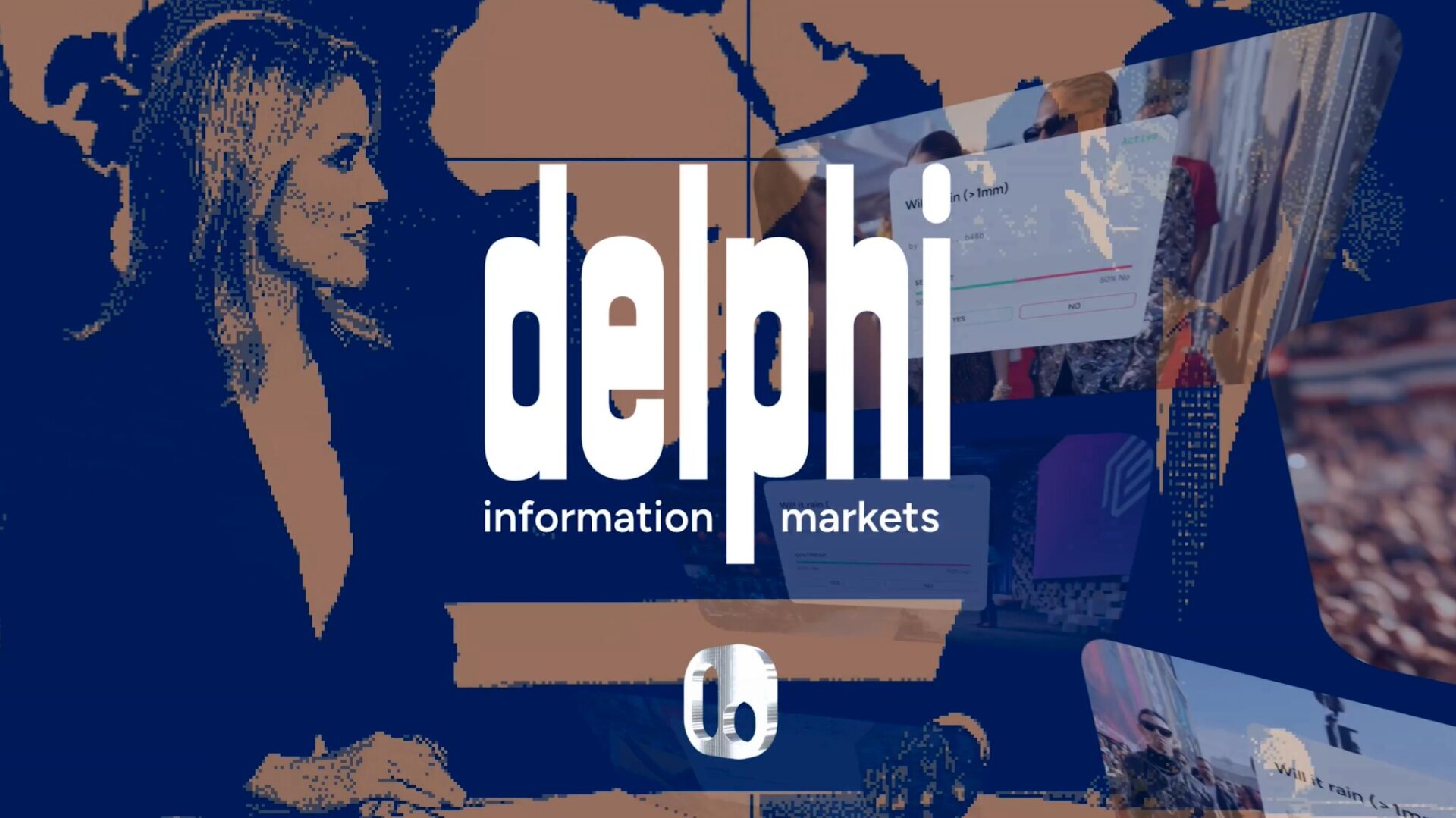
Delphi Introduces AI-Native Information Markets
Delphi enables individuals to establish and buy and sell information markets with the results of the models being decided by AI rather than centralized authorities.
You create the market. AI makes the decision. Permissionless, open, and verifiable.
Delphi is now live on the Gensyn Mainnet. pic.twitter.com/nXIzECfJm0
— Delphi (@Delphi_fyi) April 22, 2026
It is a straightforward design: users create a market, members trade based on results and AI systems settle. All things are permissionless and onchain, eliminating the use of intermediaries.
Such an arrangement minimizes conflicts. Data and predetermined conditions are used to finalize results via verified AI oracles instead of human arbitration.
Read More: Binance Teases “AI Pro” Tool, Hinting at Next-Gen Trading Power for Millions

Incentives Built Around Model Performance
The fundamental part of Delphi is a reward system directly related to accuracy. This forms a feedback mechanism:
- Accurate models receive higher payouts
- Earnings can be reinvested into improving models
- Less effective models lose relevance over time
The pricing mechanism is a signal. Performance is automatically rewarded in markets, which makes prediction accuracy a measurable and monetizable commodity.
Human and AI Interaction in One Market
Delphi is not only human-trader-friendly but also AI-friendly. Both of them can engage in the same markets where they will be able to offer liquidity and take positions.
Read More: Circle Unveils Gas-Free USDC Nanopayments Enabling $0.000001 AI Transactions
How Settlement Works
- Trades are carried out in a peer-to-peer manner
- Outcomes are validated with AI-powered oracles
- The results are registered and settled onchain
This eliminates trust among participants. Neither side needs to rely on a central operator, because verification is handled programmatically.
Built on Gensyn’s Compute Network
The network focuses on decentralized compute, allowing AI models to run and verify tasks across distributed resources.
Gensyn bridges the gap between its compute layer and financial incentives by going to mainnet. AI is no longer merely working on data; it is now engaging in markets and value. This assimilation is crucial. It connects the computation, prediction and settlement to one system.

Expanding the Scope of Prediction Markets
Conventional prediction markets are based on human judgements and centralized resolution. Delphi offers an alternative model in which AI is at the forefront.
Markets may be very broad in their scope, that is, they could be about financial results or actual events. The difference is in the way of determining the results, and the way of rewarding the participants. Due to the onchain nature of everything, transparency is designed in. Market creation, trading activity, and settlement outcomes are all publicly verifiable.


Delphi positions information itself as a tradable asset. The participants are not speculating, but they are providing data, insights, and model outputs.