Key Takeaways
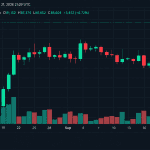
- Bitcoin traded near $63,764 on Aug. 3, when Jim Cramer said he would exit his whole position.
- Bitcoin added $475B in market value in the 49 days after Cramer’s sell call.
- IBM’s Arvind Krishna has given quantum risk a 3-to-4-year window, so Cramer’s premise stays live into 2029.
The Call That Aged Badly
Cramer’s apprehension apparently began on July 30, when, during an interview with IBM Chairman and CEO Arvind Krishna, he asked whether quantum computers could eventually crack the cryptography that protects bitcoin. Krishna’s answer was measured but still quite blatant:
“I think that you should give yourself three or four years, and at that point, I would get rather paranoid about it.”
Cramer subsequently announced that he was selling his BTC, adding that he would not sell a small amount but exit his position entirely. Seven weeks later, that call seems to have turned into a scorecard, given that the crypto asset has gained over $24,000 in 49 days (while also adding $475 billion in market capitalization).
Checking the Math
The numbers square up neatly, as Aug. 3 saw BTC close at $63,520. Subsequently, bitcoin’s price hit an intraday high of $87,395 yesterday, which is a 37.6% gain from that close.
And even though prices have slipped back to around $85,500 earlier today, it still leaves the rally near 35% from Cramer’s sell call. In any case, the surge did not come quietly, as over $1 billion was liquidated across crypto derivatives on Sept. 21, with shorts accounting for roughly $850 million of it. Bitcoin.com News also tracked a massive short squeeze that sent bitcoin past $86,000.
That said, nobody actually knows how much bitcoin Cramer owned to begin with or if he sold anything at the time of Krishna’s comments.
Why “Inverse Cramer” Keeps Getting Airtime
This was not the CNBC staple’s first bearish call of the summer, as on June 10, he posted the following message on X:
“Bitcoin and gold–bad money, being liquidated for SpaceX.”
Bitcoin closed that day at $61,511 and is now trading roughly 40% higher.
Not only that, various media desks have catalogued a list of his misses over the years, from calling bitcoin “monopoly money” in December 2017 to “selling” most of his holdings in June 2021 over China’s crackdown, and warning of a “nasty” selloff after spot bitcoin exchange-traded funds (ETFs) launched in January 2024.
That said, correlation is not causation, and the ongoing rally has had real drivers behind it, including forced short covering and a return of risk appetite (as oil prices and Treasury yields have eased).
What the Quantum Clock Still Says
The rally settles the trade, not the argument as a whole, and Krishna’s window of three to four years points to roughly 2029 or 2030 still exists (and that timeline has not changed because bitcoin gained $24,000 over the past few weeks). However, holders who share Cramer’s concern still have time to weigh in on potential upgrades and custody changes.