




TLDR;
- Waymo recalls software after its cars repeatedly failed to stop for school buses.
- Austin schools reported 19 violations, including incidents after Waymo’s initial software fix.
- This marks Waymo’s third recall, raising concerns about autonomous safety reliability.
- Industry pushes for stronger school bus detection tools as regulators increase scrutiny.
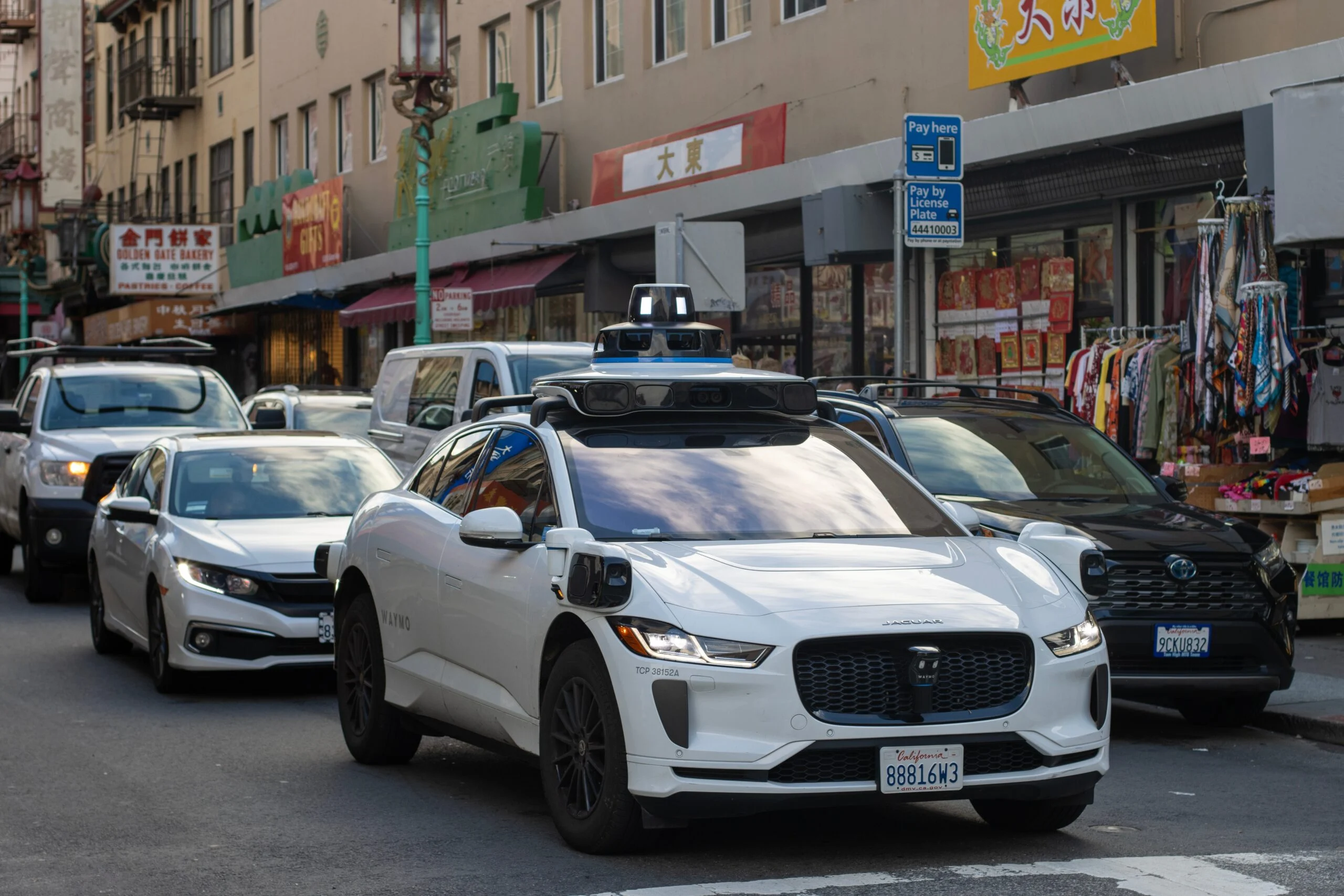
Waymo has initiated a voluntary software recall after its autonomous vehicles were found repeatedly failing to comply with school bus stop protocols in Austin, Texas.
The move comes after the Austin Independent School District (AISD) recorded at least 19 incidents where Waymo’s robotaxis either slowed down inadequately or continued past stopped school buses, an infraction that would result in hefty fines for any human driver.
The company acknowledged that a software defect caused its vehicles to incorrectly assess stopped school buses, leading them to hesitate briefly before proceeding instead of waiting. Although Waymo issued a patch on November 17 aimed at correcting the behavior, AISD reported yet another violation on December 1, signaling that the fix did not fully address the underlying detection gap.
While no injuries have been reported, the repeated violations have unsettled school officials, parents, and regulators who consider school bus stop-arm scenarios among the highest-risk interactions on public roads.
U.S. safety regulators have opened an investigation into Waymo after its driverless robotaxis were found to have illegally passed stopped school buses in Austin at least 19 times this school year.
Austin Independent School District requested the company halt service during… pic.twitter.com/DUa8z6E21u
— San Antonio Express-News (@ExpressNews) December 7, 2025
School Bus Incidents Raise Safety Red Flags
The spike in school bus–related safety violations has pushed Waymo into a defensive posture as it reviews the most recent incident alongside local authorities.
AISD formally requested that the company suspend operations during school bus hours until the issue is resolved, emphasizing that children’s safety cannot depend on unreliable machine judgment.
In a statement, Waymo confirmed that the latest incident is under active investigation. The company says its recall aims to deploy a more robust detection model, ensuring vehicles reliably identify the flashing lights and extended stop arms that signal children boarding or exiting a bus.


A Pattern of Recalls and Closer Oversight
This marks Waymo’s third software recall in roughly 18 months, following earlier fixes for weak detection of overhead chains, gates, and a Phoenix accident involving a utility pole. The company has generally acted quickly to push software patches, but regulators are concerned that repeated edge-case failures point to gaps in system robustness.
The National Highway Traffic Safety Administration (NHTSA) closed a 14-month investigation earlier this year into 22 incidents involving hundreds of Waymo vehicles. While the agency found no grounds for a forced recall at the time, school bus violations are likely to reignite attention. Edge cases are exactly where regulators expect autonomous systems to perform flawlessly.
If additional violations occur after the upcoming software deployment, experts say Waymo could face stricter restrictions or mandatory oversight measures.
Industry Races to Improve School Bus Detection
School buses are a known challenge for both advanced driver-assistance systems (ADAS) and full autonomy platforms. Current government datasets track stop-arm violations but offer limited sensor-level data needed to train AI systems. Companies like Waymo increasingly rely on multisensor data, LIDAR, radar, and high-resolution imaging, captured from varied angles, lighting conditions, and distances.
With Waymo planning expansions into more than 20 U.S. cities, insurers, regulators, and local governments are watching closely. Cities adopting AI-driven enforcement systems will expect autonomous fleets to meet or exceed human-level compliance around school zones.
Industry analysts believe this will accelerate interest in certification frameworks designed specifically for school bus interaction. Such standards could include simulation stress tests, real-world verification, and performance benchmarking—requirements that may become mandatory as robotaxi services scale nationwide.