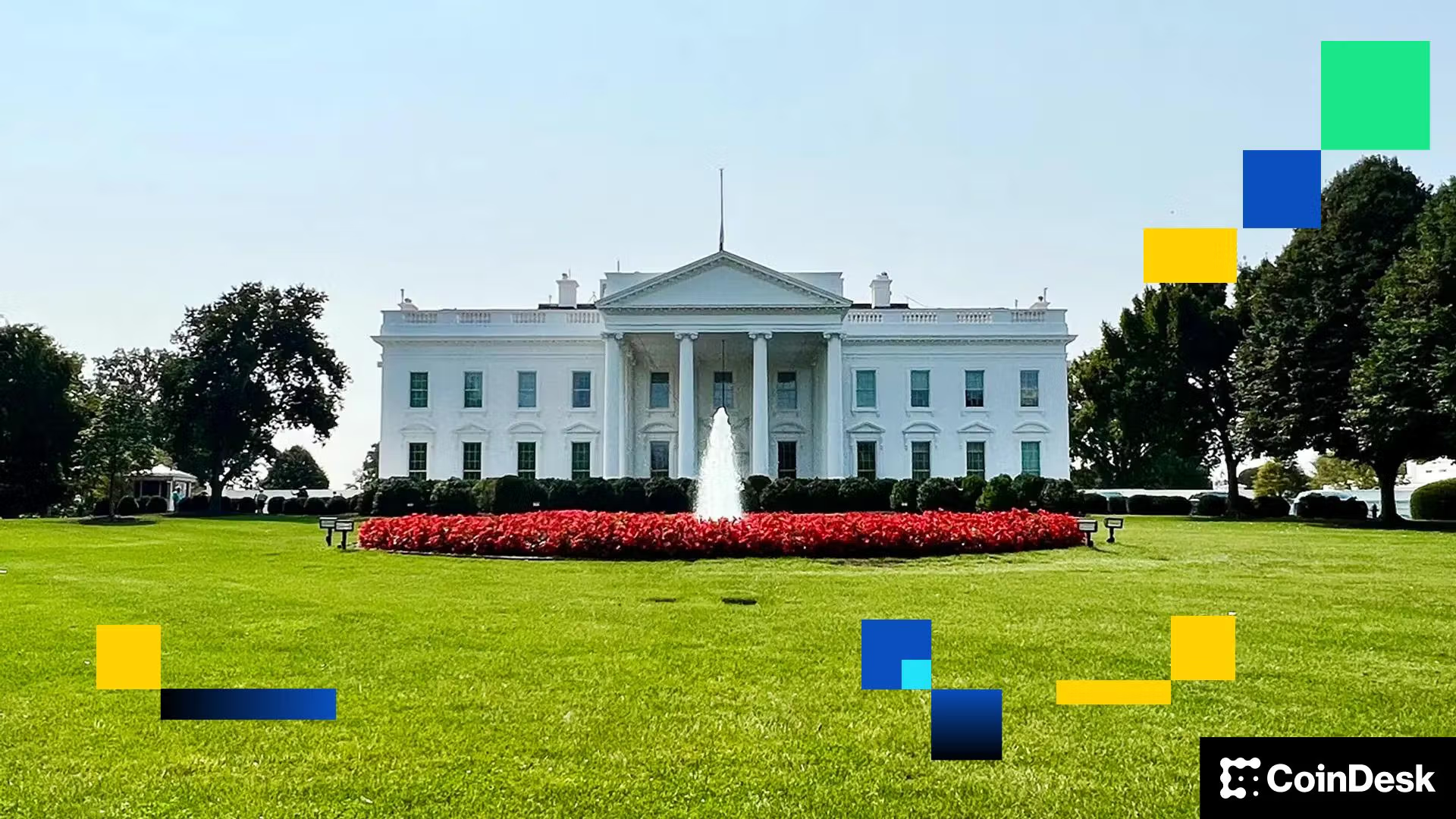





Crypto industry negotiators arrived at the White House on Tuesday ready to talk about a legislative deal on stablecoin yields, but their banking counterparts weren’t yet prepared to compromise over the Senate’s crypto market structure bill, according to a person familiar with the talks.
The fight over whether stablecoins should be able to offer rewards — a lobbying battle between Wall Street bankers and crypto insiders — is one of the chief headwinds keeping the Senate Banking Committee from advancing the Digital Asset Market Clarity Act. It’s now been a sticking point for months, and the banking side held their ground on prohibiting the rewards activity and more, the person said, despite the White House’s insistence last week that both sides come with ideas for compromising.


The crypto team at the table was said to include executives from Coinbase, Ripple, a16z, the Crypto Council for Innovation and the Blockchain Association, according to people familiar with the plans. The White House sought to pare down the numbers of participants in the most recent gathering there last week, which hadn’t produced significant progress on the question of stablecoin rewards programs that are a key component of crypto platforms’ business models.
Despite the lack of major progress, crypto representatives struck a hopeful note in statements about the meeting.
“We’re encouraged by the progress being made as stakeholders remains constructively engaged on resolving outstanding issues,” said Blockchain Association CEO Summer Mersinger, who was said to participate in the meeting.
“The important work continues,” said Ji Kim, the CEO of CCI, in a statement after the meeting, saying his group “appreciates the banking industry for their continued engagement.”
Banking groups involved in the meeting, including the Bank Policy Institute and American Bankers Association, issued a statement after the meeting, though it included no details about next steps on the legislation.
“As we noted during the meeting, that framework can and must embrace financial innovation without undermining safety and soundness, and without putting the bank deposits that fuel local lending and drive economic activity at risk,” the group said in the combined statement.
Before the Senate can approve a bill, the banking panel needs to clear it through a majority vote. The legislation already has its necessary backing from the Senate Agriculture Committee, and a similar bill with the same name won a vote in the House of Representatives last year. But bankers have raised concerns over stablecoin yields and rewards threatening the deposits business at the core of their industry.
However, stablecoin yield wasn’t the only major sticking point. Senate Democratic negotiators have demanded that the effort include a ban on deep crypto involvement from senior government officials, driven primarily by President Donald Trump’s personal crypto interests. The Democratic lawmakers have also insisted on greater protections against crypto’s use in illicit finance and also that the Commodity Futures Trading Commission get fully staffed by commissioners — including Democratic appointees — before it can get to work on crypto regulations.
While Trump’s crypto adviser, Patrick Witt, has predicted the negotiators will find common ground soon, he also told CoinDesk that the White House won’t support an effort that targets the president. Witt was said to lead the meeting on Tuesday, as he did the one last week.
The Clarity Act faces a number of practical challenges beyond the policy disputes, including the Senate’s ongoing friction over a last remaining budget issue: the funding of the Department of Homeland Security, which runs Immigration and Customs Enforcement (ICE). The Senate is always a tough place to secure necessary floor time to move legislation, and the closer the chamber gets to the lengthy breaks before the midterm elections this year, the more difficult it is to find enough time to handle a major crypto bill.
Read More: Crypto industry, banks not yet close to stablecoin yield deal at White House meeting
UPDATE (February 10, 2025, 23:16 UTC): Adds comment from the bank lobbying groups.